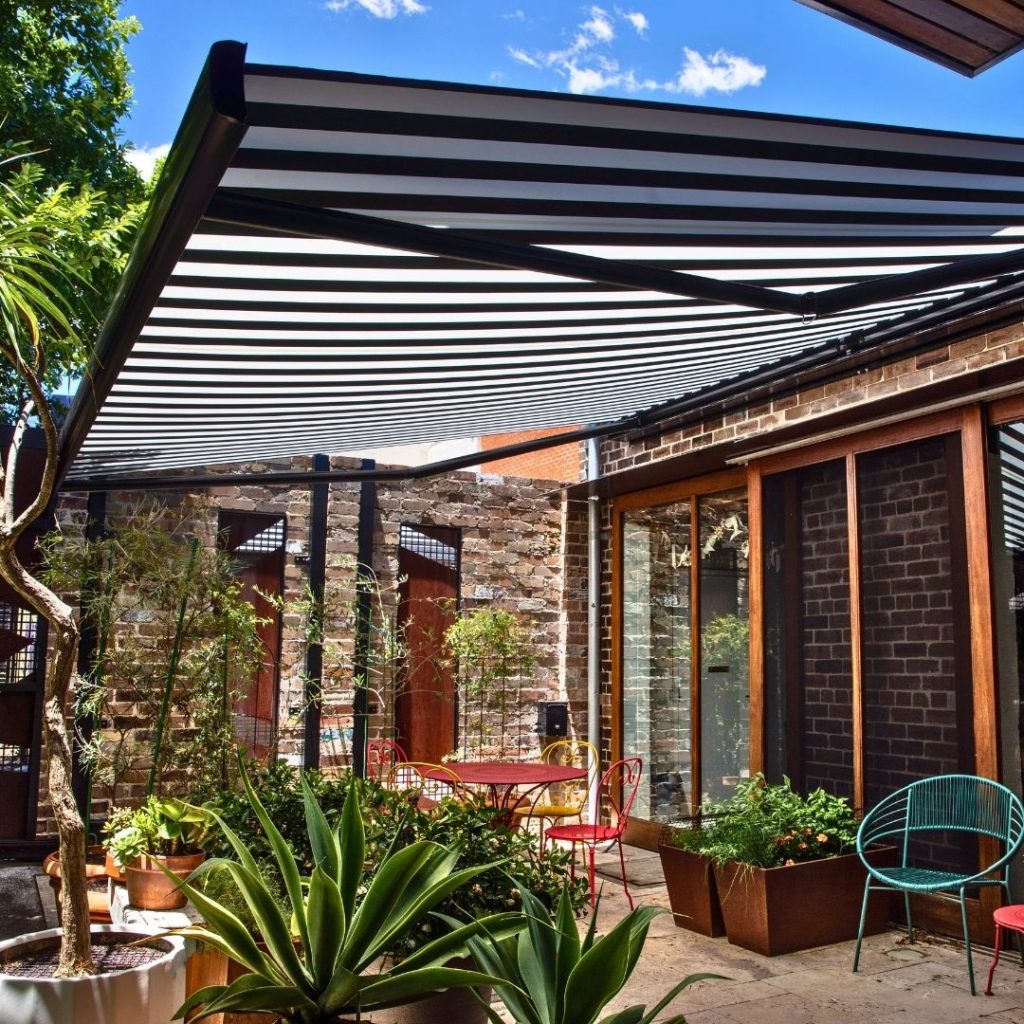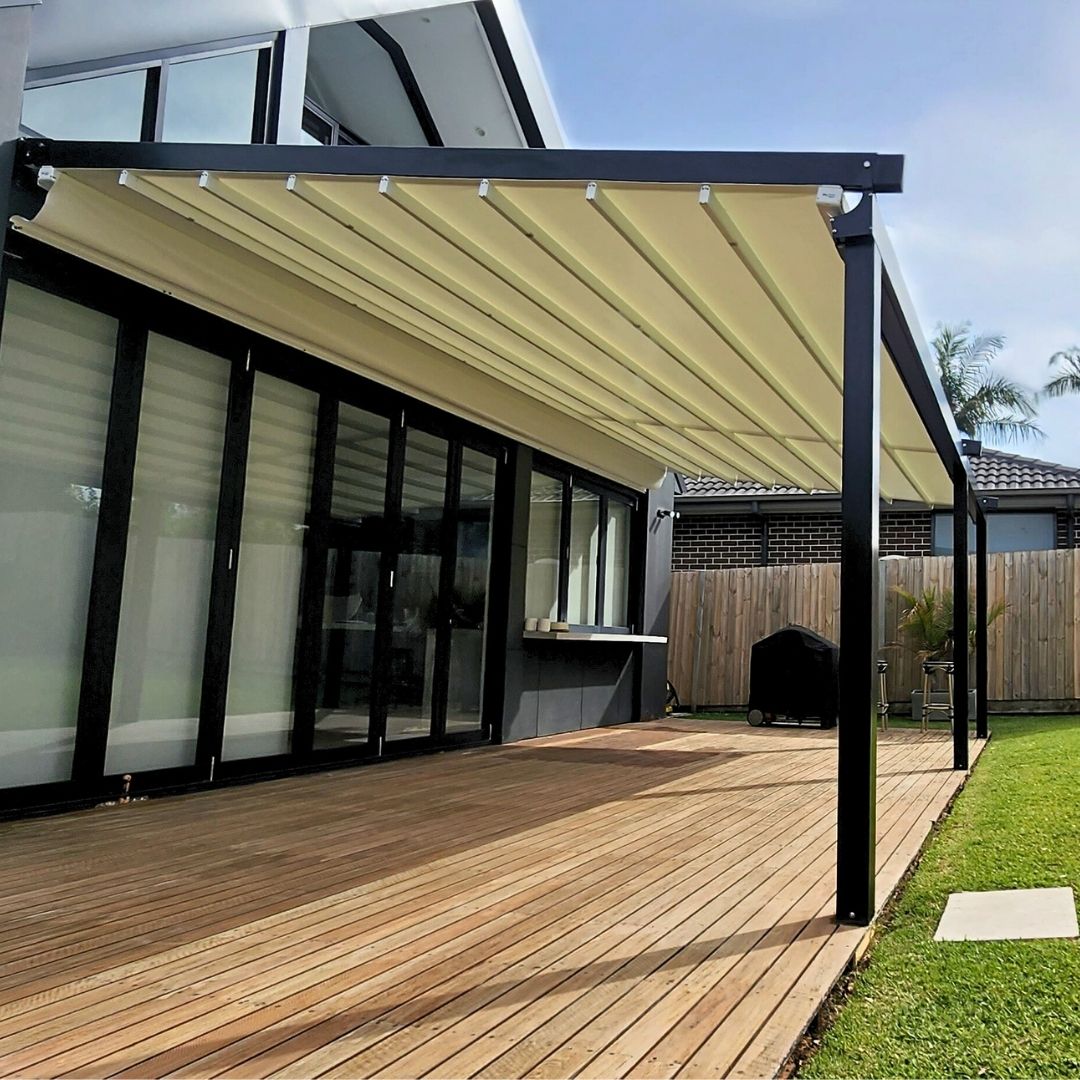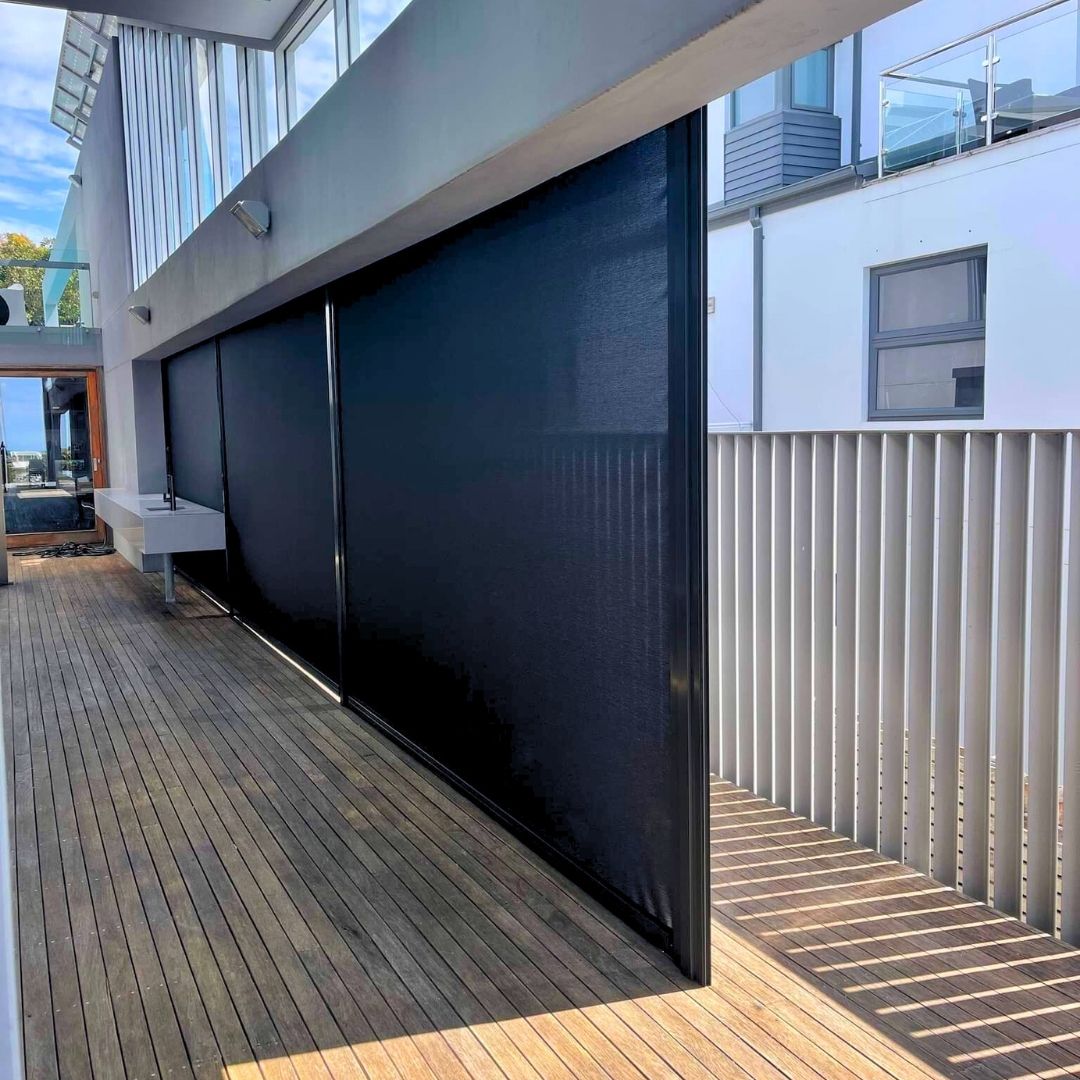

Outdoor dining areas can quickly become difficult to manage during wind and rain, especially in exposed Sydney hospitality locations. This guide explains how Screentex blinds for restaurants help protect diners, improve weather control, maintain street visibility and create more usable outdoor seating throughout the year.
A gusty afternoon in Darling Harbour or Barangaroo can make outdoor dining uncomfortable very quickly. You want to keep those tables full, but you don’t want to block the street view that attracts foot traffic. Screentex blinds for restaurants offer a practical way to enclose a patio or veranda without making it feel closed off.
At Outdoor Blinds and Awnings (OBA), we manufacture track-guided systems that help venue managers maintain outdoor occupancy regardless of the weather.
Using Clear PVC Screentex Blinds For Restaurants
If you are wondering what Screentex blinds for restaurants are, they are high-tension track blinds designed for heavy commercial use. While many residential blinds use mesh, restaurant owners often choose clear PVC to protect their patrons.
- Crystal-clear street visibility so customers can still see the atmosphere inside
- Weather protection against wind and rain
- Fire-rated PVC that complies with Australian commercial safety standards
How Do Screentex Blinds Work Against Sydney Wind Loads?
Learning how to enclose outdoor dining areas involves more than just hanging a sheet of plastic. You need a system that remains stable when the wind picks up near the coast. The Screentex system uses a Keder side track that locks the fabric in place, preventing the rattling and flapping associated with cheaper bistro blinds.
This prevents the rattling or blowouts typical of cheaper bistro-style blinds. For venues near the coast, this setup manages storm-level conditions, meeting strict Australian safety standards for public spaces. Site-specific engineering assessment recommended for commercial installations.
How Screentex Blinds Protect Your Interior
Knowing how Screentex blinds work also means understanding the value of motorisation. Many restaurants install motorised Screentex systems so staff can lower multiple blinds quickly when rain or strong wind arrives unexpectedly.
The enclosed system helps protect flooring, furniture and indoor dining areas from moisture while allowing service to continue with minimal disruption.
Feature | Screentex Zip Blinds | Standard Bistro Blinds |
Wind Resistance | Up to 160+ km/h (Locked) | Max 30 km/h (Free-hanging) |
Material | 0.75mm Fire-Rated PVC | 0.5mm General PVC |
Tracking | Continuous Side Channel | Ropes or Pulleys |
Operation | Motorised Automation | Manual Hand-Crank |
How To Enclose Outdoor Dining Areas For Maximum ROI?
Having greater control over your outdoor dining area helps improve table turnover and maintain venue capacity when the weather changes unexpectedly. Many hospitality venues also use branded trims and valances to increase street visibility in busy entertainment areas.
Because these systems use durable aluminium components and commercial-grade clear PVC, they are designed to handle regular use with minimal maintenance requirements.
Ready to increase your venue capacity and protect your outdoor dining area from unpredictable weather? Contact OBA today for a custom Screentex blinds for restaurants consultation and technical quote.
FAQS
What are the primary benefits of Screentex Blinds?
The main advantage is maintaining outdoor seating during wind and rain while improving customer comfort, weather protection and street visibility.
How do Screentex blinds work to stop rattling?
They utilise a Keder track system that locks the fabric edges securely into the side channels. This prevents the fabric from blowing out or flapping in high winds, which is a common failure point for cheaper bistro blinds.
How to use outdoor blinds in restaurants effectively?
Managers should deploy the blinds as soon as conditions become uncomfortable for guests. Motorised systems allow staff to lower multiple blinds simultaneously with a single remote, ensuring a fast response to sudden Sydney weather changes.
How to enclose outdoor dining areas for winter?
Restaurant staff should lower the blinds as soon as weather conditions become uncomfortable for diners to maintain comfort and protect the dining area.