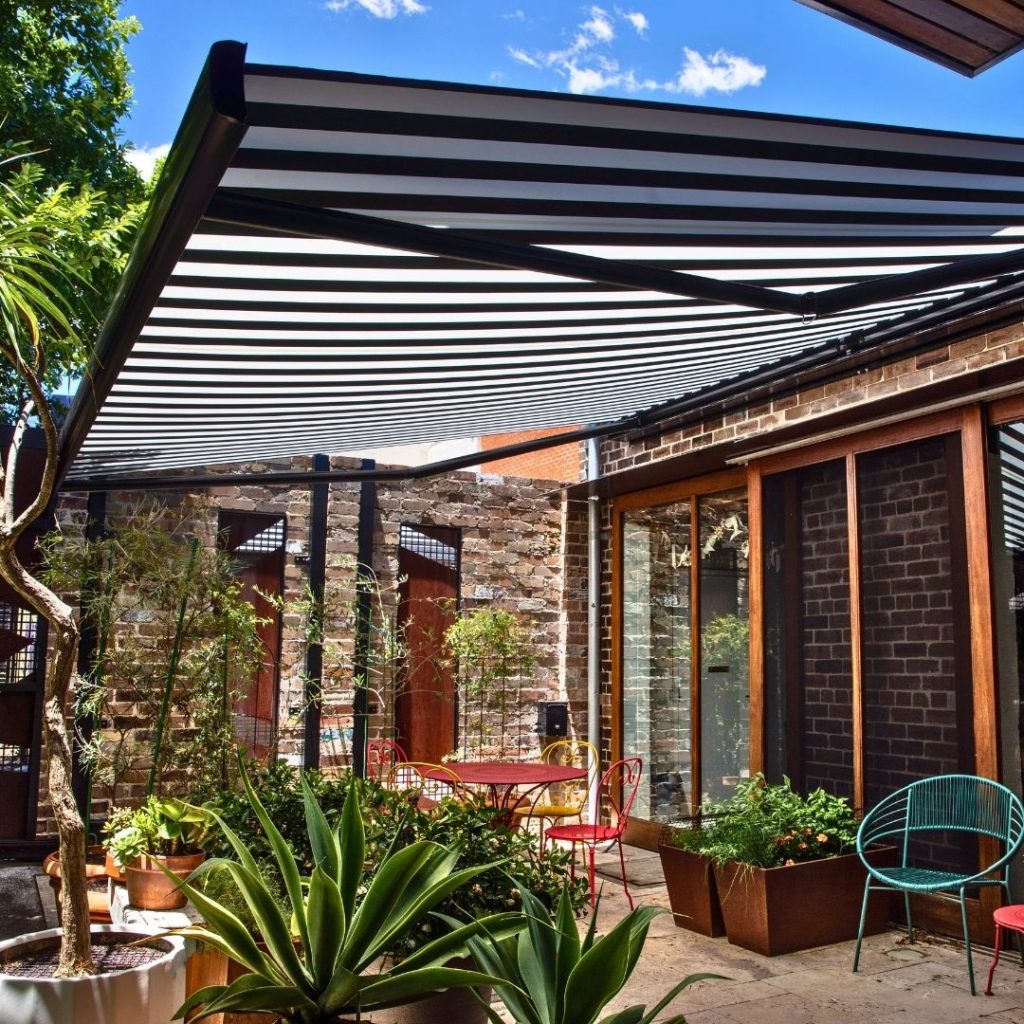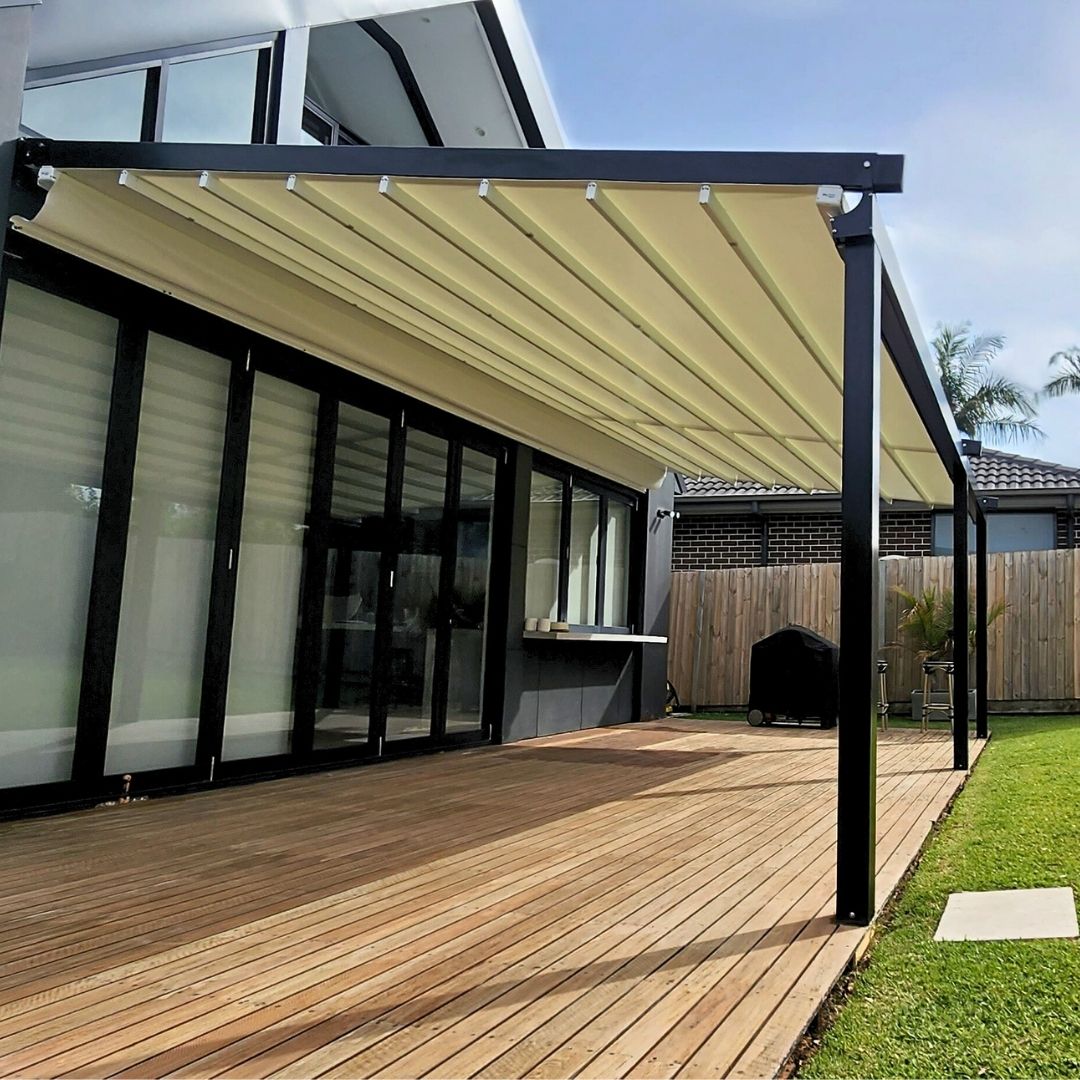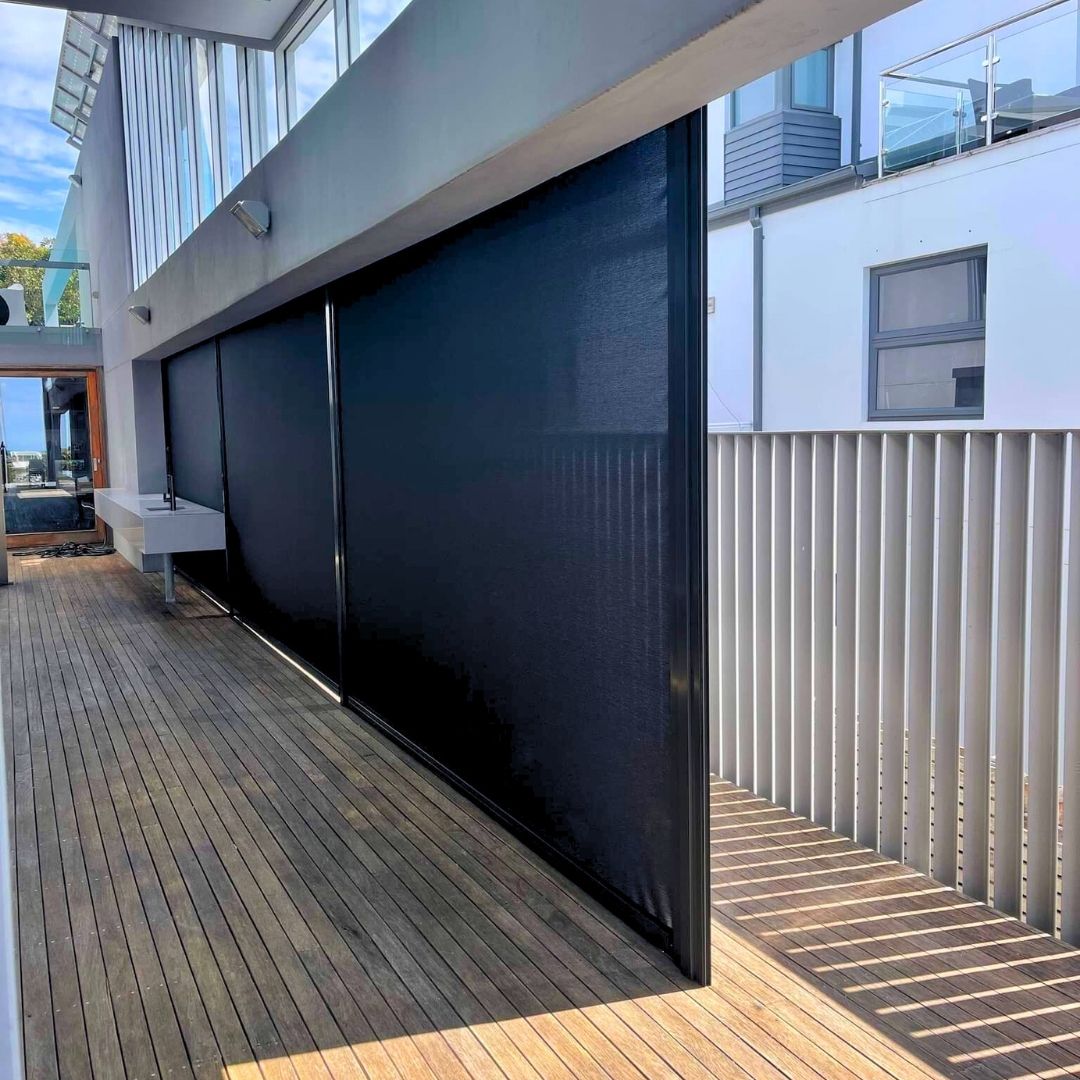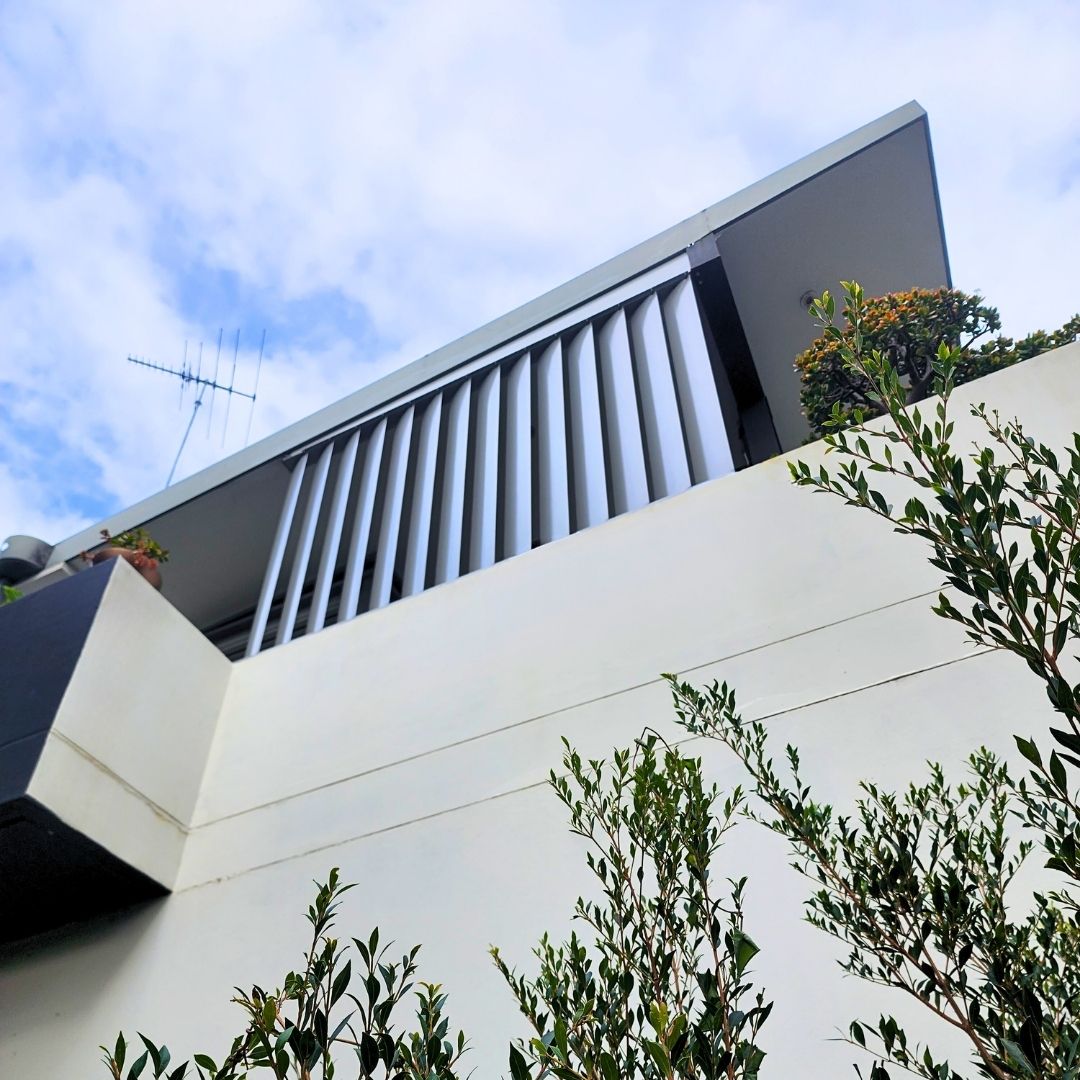
Choosing the right retractable roof depends on how you use your outdoor space, your property location, and the level of weather protection you need. This guide compares the Retracta Roof, Opra Louvre, and Med Evo Fabric Roof systems while explaining wind resistance, drainage, automation, and the practical differences between modern retractable roof systems.
A coastal home in the Northern Beaches faces different structural demands than a terrace in Newtown. We have seen many lightweight shade systems struggle in strong coastal winds because they were not designed for higher structural loads.
A retractable roof is an engineered fitting designed to manage these variables, helping create a more usable outdoor space throughout the year. At Outdoor Blinds and Awnings (OBA), we focus on architectural-grade roof systems designed to withstand Sydney’s harsh UV exposure, salt-air corrosion, and heavy rain.
Understanding Retractable Roof Systems Engineered For Coastal Zones
When selecting a fitting, the mechanism dictates how you interact with the space. We recommend matching the Beaufort wind scale rating to your specific location. The retractable roof systems we install are built on 6063-T6 architectural aluminium frames and are categorised by their movement and wind resistance.
Here is a general comparison of the three retractable roof systems commonly installed by Outdoor Blinds and Awnings:
System Type | Mechanism | Max Wind Rating | Best Use |
Retracta Roof | Sliding solid panels | Up to 100km/h | Unobstructed sky views |
Opra Louvre | Motorised 90° pivot | Beaufort Scale 10 | Heat & airflow management |
Med Evo Fabric | Folding PVC fabric | Beaufort Scale 6-8 | Large patios and soft aesthetics for pool sides |
How Does a Retractable Roof Work?
Understanding how retractable roofs work requires looking at drainage engineering. These systems are designed to manage both sun exposure and rainwater more effectively than fixed coverings. Every unit requires sufficient pitch to support proper drainage and prevent water pooling on the surface, which could otherwise compromise the structural integrity of the frame.
Most modern units use a motorised drive system housed within a protective frame. Unlike a fixed canopy awning, which remains stationary to protect doors and windows, these roofs move along tracks to reveal or hide the sky.
Louvre Roof System Explained
Living near the ocean requires hardware that withstands salt spray and shifting wind loads. At OBA, we build our systems on aluminium frames rather than timber, which can warp in humid air.
Because we only manufacture our shutters and roofs from high-grade aluminium, we can apply marine-grade powder coating in over 200 colours, including wood grain, supported by long-term structural warranty coverage.
This mechanism is typically driven by high-performance automation. OBA offers three primary motorisation tiers to control this movement:
- Somfy Motors: A widely trusted option for quiet operation and advanced smart home integration.
- Simu Motors: A heavy-duty, European-engineered alternative known for its strong performance and durability.
- Alpha Motors: A cost-effective, robust choice that provides reliable remote operation for residential projects.
For a technical breakdown, view our Somfy vs Simu vs Alpha Motors Comparison guide. These systems include integrated gutters, so water moves away from your furniture even during heavy rain.
Looking for a retractable roof system suited to your outdoor space and local conditions? OBA offers expert advice, custom design, and installation for retractable roof systems across Sydney. Request your quote today.
FAQS
How do retractable systems work with smart homes?
Most Outdoor Blinds and Awnings (OBA) systems use Somfy RTS or IO technology. This allows you to link your roof to rain and wind sensors that close the louvres or retract the fabric automatically when the weather changes.
What is the maximum span for a retractable fabric roof?
Depending on the model, we can achieve single-unit spans of up to 13 metres wide with a 6.5-metre projection. For larger areas, we join multiple modules for a seamless look.
Do aluminium louvres need regular oiling?
No. The pivot points use dry-lubricated bearings designed for high-salt environments. A simple six-monthly wash with fresh water is all that is needed to maintain the mechanism.
Can a retractable roof handle heavy rain?
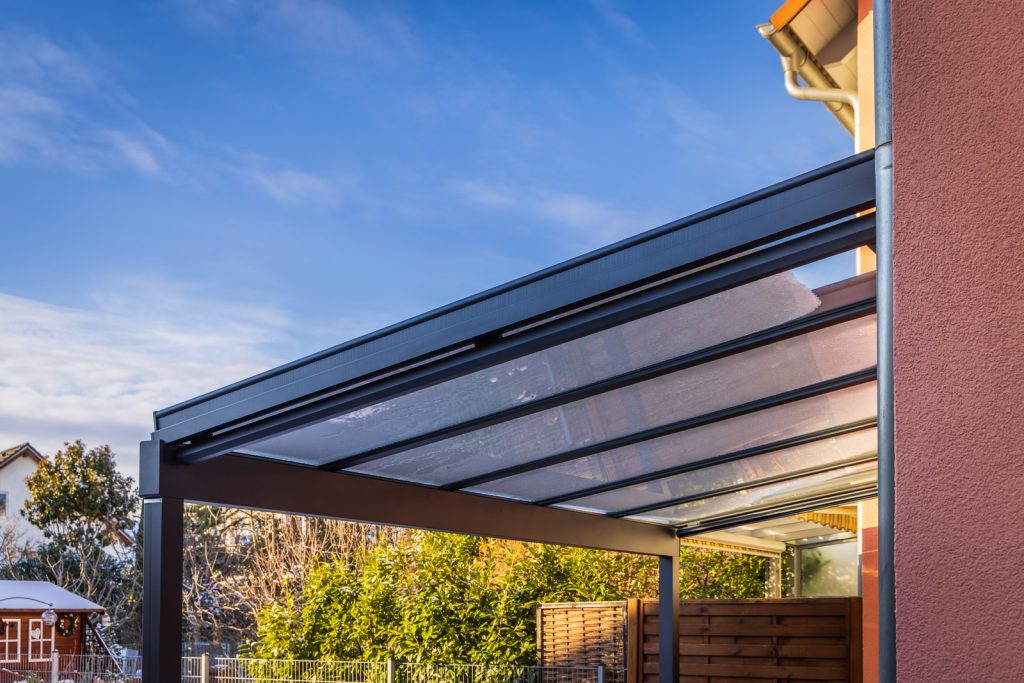
Yes. These systems are engineered with integrated drainage. When closed, they provide a watertight seal that directs rain into internal gutters and down the support posts.