
Outdoor Blinds and Awnings (OBA) explains the differences in shutter materials for coastal properties. Choosing the right material dictates the long-term performance and maintenance requirements of your window coverings. Here are the topics we cover regarding aluminium shutters and timber alternatives:
- Coastal humidity and timber degradation
- The durability of high-strength extruded aluminium
- Maintenance and cleaning requirements
- Ownership expectations over a decade
Sydney’s coastal climate places exterior building materials under constant pressure. Salt-laden air, high humidity and changing weather conditions can quickly shorten the lifespan of poorly suited products. People researching exterior upgrades often ask us, ‘Do timber shutters warp in humidity?’
The short answer is yes. Timber naturally absorbs and releases moisture, which can lead to expansion, contraction and warping over time if it isn’t properly maintained. This is why Outdoor Blinds and Awnings exclusively manufactures and installs aluminium shutters.
The Reality of Timber in High Humidity
Natural timber performs adequately in sheltered, inland applications. However, wood is a hygroscopic material. Uncontrolled moisture leads to dimensional instability.
While timber looks beautiful initially, exterior applications in coastal suburbs require strict, ongoing maintenance. Salt air and constant moisture exposure quickly cause natural frames to bow outward and paint to peel.
When comparing the durability of aluminium vs timber shutters, metal consistently outperforms wood in wet environments. Preventing timber failure means committing to regular sanding and resealing every few seasons.
The Durability of Extruded Aluminium
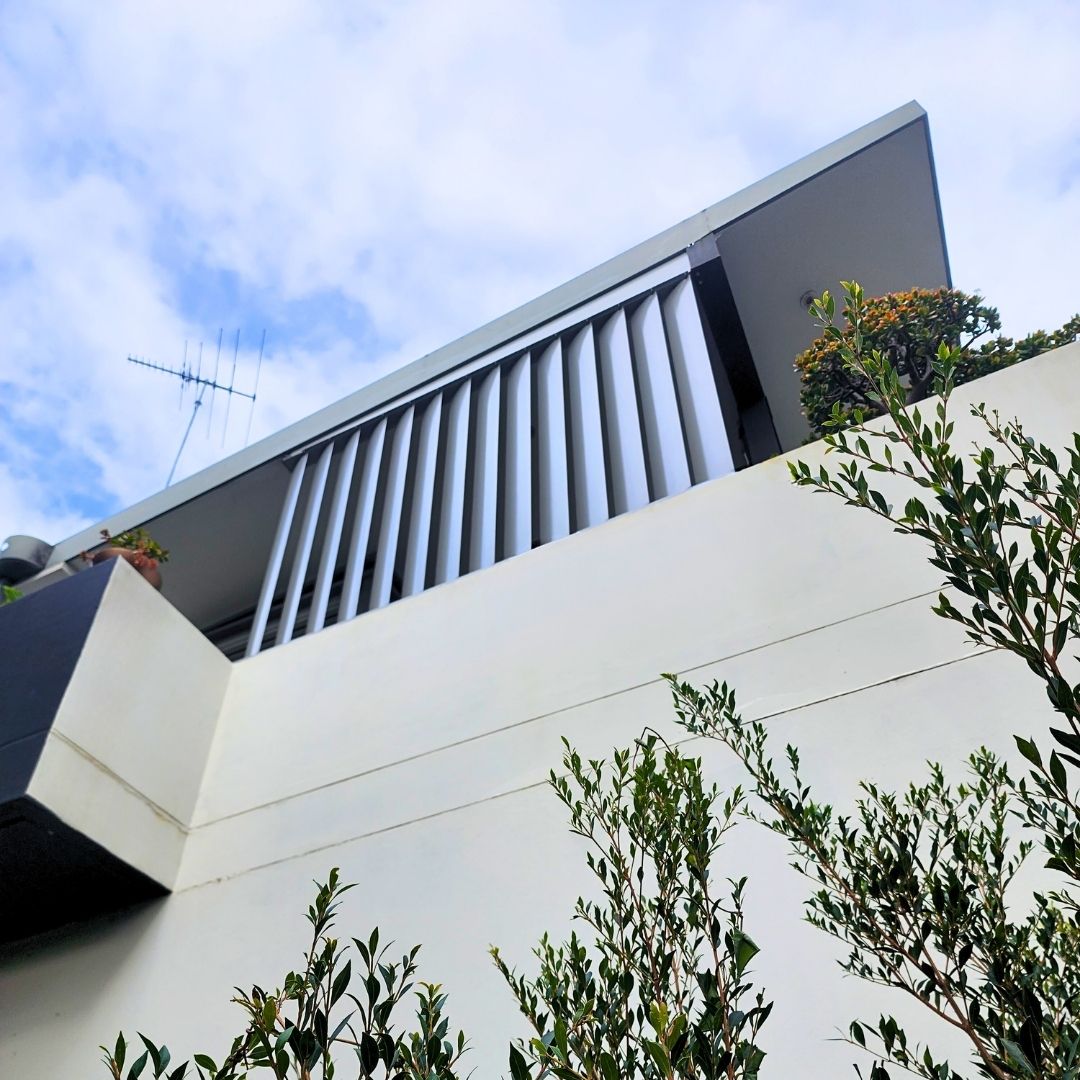
Our team relies on over 12 years of manufacturing experience to custom-build the CB90 Series using high-strength extruded structural aluminium. Unlike timber, aluminium does not rot, absorb moisture or warp, making it well suited to coastal environments. We provide these metal systems with a baked-on powder coating that actively resists salt-air corrosion, making them the best shutter material for coastal homes.
When you book a consultation with our team, you can choose from over 100 powder-coated finishes, including highly realistic wood-grain options. This gives you a traditional aesthetic without the heavy maintenance workload.
Instead of refinishing wood, you only need to wash powder-coated aluminium periodically with clean water and a pH-neutral detergent to keep it structurally sound. This advice aligns with standard Australian Aluminium Federation guidelines.
Ownership Expectations Over A Decade
Here is a quick look at ownership expectations for both materials.
Timber
- Requires regular sanding and resealing
- Can warp, swell or crack when exposed to moisture
- Needs ongoing maintenance to preserve its appearance
Aluminium
- Requires only periodic cleaning
- Will not rot or absorb moisture
- Powder-coated finishes offer long-lasting colour and durability
Looking for premium aluminium shutters that can handle Sydney’s coastal climate? Contact Outdoor Blinds and Awnings (OBA) to book a technical site measure and discover our custom-made CB90 Series today.
FAQS
Do aluminium panels rust in coastal environments?
No. Architectural aluminium does not rust, and our premium powder-coated finishes provide a strong barrier against salt-air corrosion.
Can I get a wood-grain finish on a metal shutter?
Yes. We offer specialised powder-coated finishes that replicate the look of natural wood without the associated maintenance issues.
How do you clean powder-coated metal fixtures?
You simply wash the frames and blades periodically with fresh water, a pH-neutral detergent, and soft cloth or a non-abrasive sponge.